
MSU biologists win prestigious NSF CAREER awards to explore genetic errors, invasive species
Contact: Sarah Nicholas
STARKVILLE, Miss.—Two Mississippi State University faculty members in the Department of Biological Sciences have received prestigious National Science Foundation CAREER awards supporting research into the biological mechanisms behind genetic errors and the spread of invasive species.
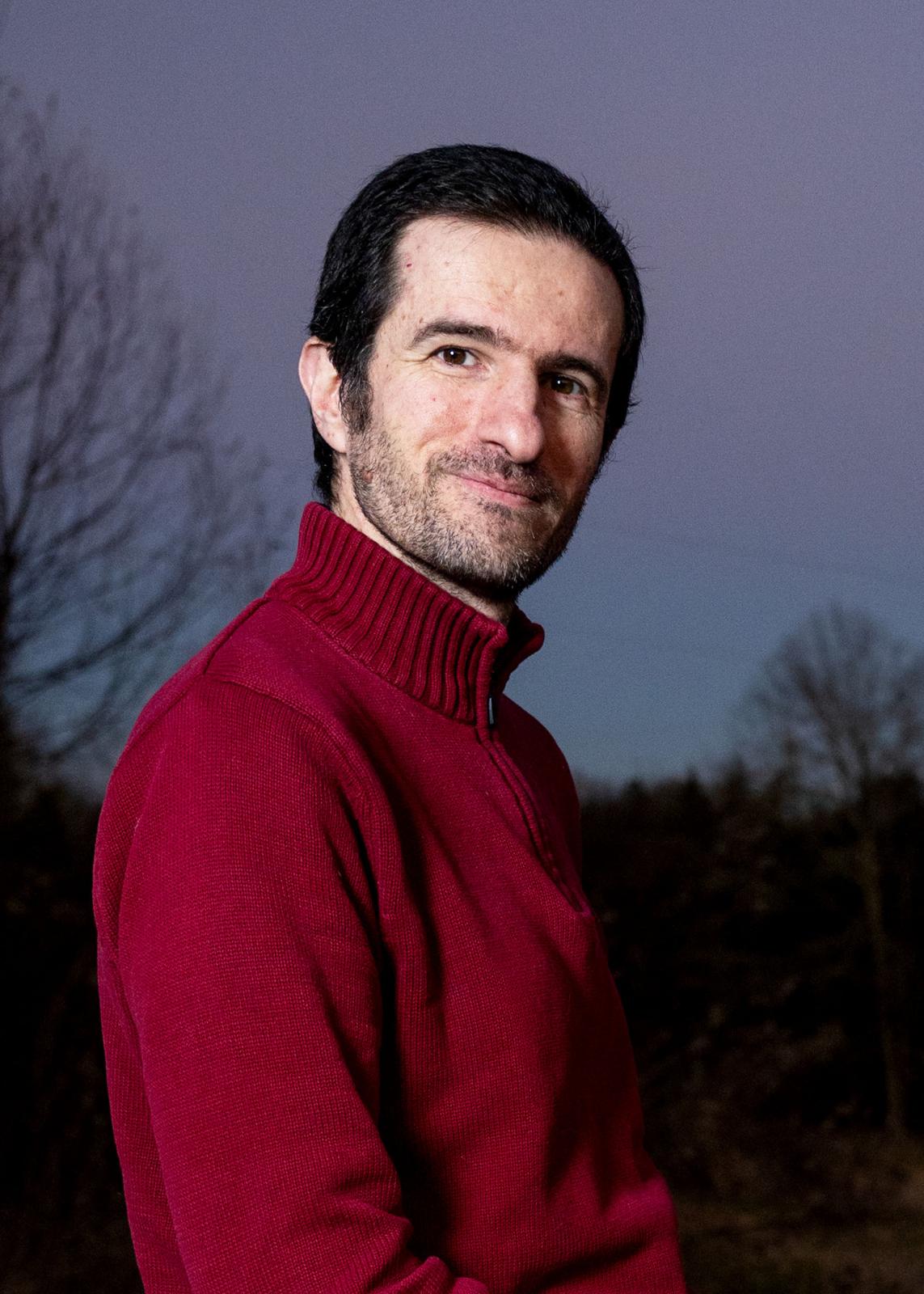
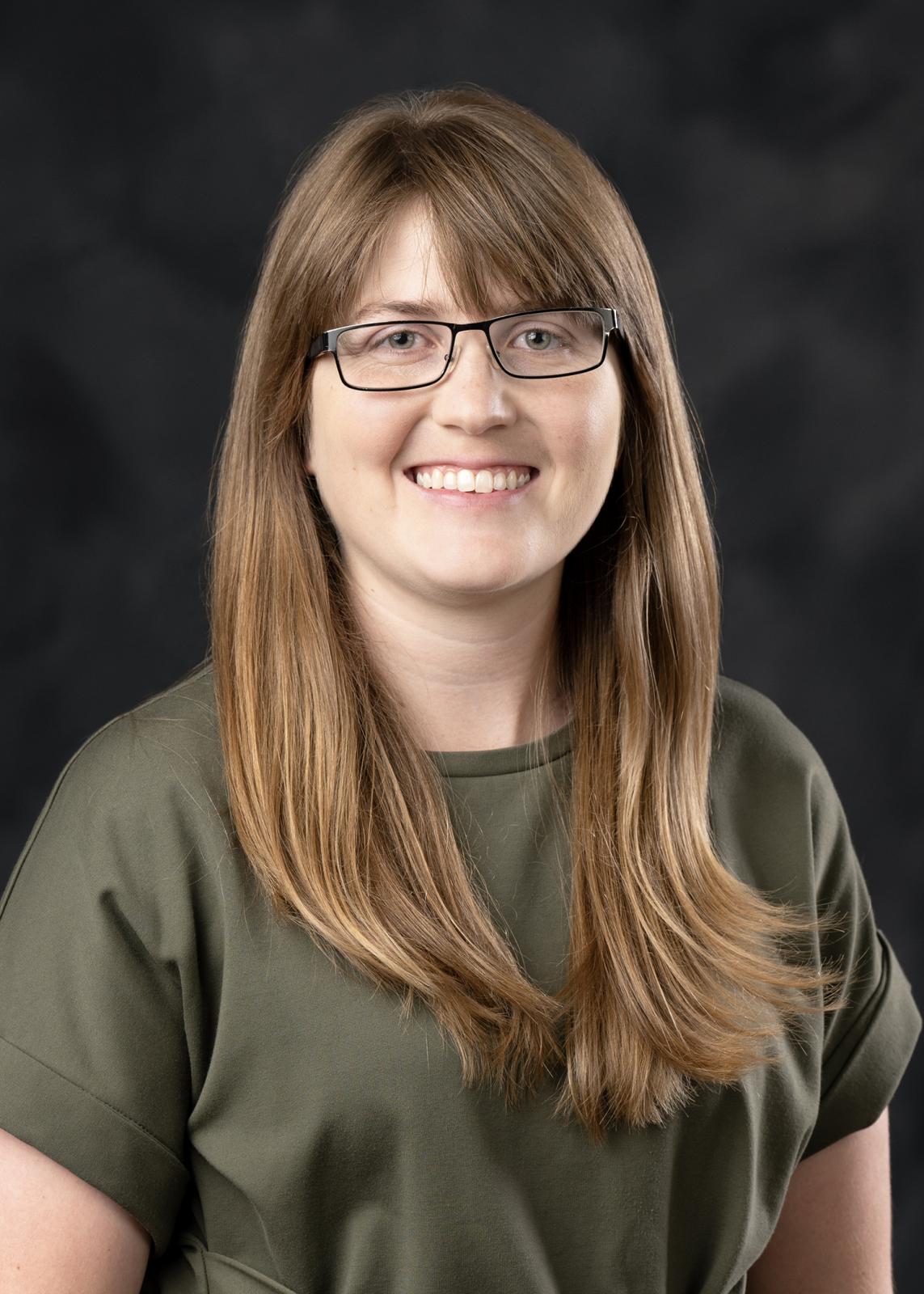
Jean-François Gout and Megan Smith each earned five-year NSF CAREER awards, from the highly competitive program that supports early-career faculty demonstrating exceptional potential to advance research and education. Smith’s award totals $779,889, with Gout receiving $754,667.
The awards add to a period of success for MSU’s Department of Biological Sciences, which now has had seven faculty members receive NSF CAREER awards in the past five years.
“This is an incredible achievement for Drs. Smith and Gout and a tremendous reflection of the strength of our department,” said Department Head Angus Dawe. “Their success also speaks to the commitment and support provided by MSU to recruit, develop and retain outstanding early-career researchers.”
Gout’s project will examine how damage to DNA and RNA can lead to errors in the genetic instruction cells used to produce proteins—and how cells detect and repair that damage.
“DNA and RNA are essential for accurately storing and transmitting genetic information, but chemical changes to their building blocks can cause errors,” said Gout, an associate professor. “This research will investigate how DNA damage contributes to errors during the production of RNA, how those errors may affect the accuracy of proteins produced by cells and how the machinery responsible for reading genetic information interacts with DNA repair systems.”
In addition to advancing basic understanding of genetic fidelity, the project will include educational efforts to strengthen computational skills among biological sciences students and secondary school educators, including a course-based undergraduate research experience at MSU.
Smith’s project focuses on two widespread groups of invasive slugs, Arion and Deroceras, that have become established in North America and are recognized as agricultural pests.
“Although nearly 70 species of terrestrial snails and slugs have been introduced into the contiguous U.S., scientists know surprisingly little about their invasion histories and the biological traits that have allowed them to spread,” said Smith, an assistant professor. “By combining genomic data, museum specimens, population-level sampling and artificial intelligence, my research will help to determine where invasive populations originated, how they spread and which ecological and life-history traits may help to predict the success or limits of future invasions.”
The project will provide an opportunity to study how species adapt to new environments and why some introduced populations spread rapidly while others remain geographically limited.
Smith’s award also includes educational and outreach components. She will develop an undergraduate course focused on invasive species and engage local gardeners in outreach efforts, giving students opportunities to analyze biological data and contribute to public education about invasive species.
For more details about MSU’s College of Arts and Sciences or the Department of Biological Sciences, visit www.cas.msstate.edu or www.biology.msstate.edu.
Mississippi State University is taking care of what matters. Learn more at www.msstate.edu.